All Categories
Featured
Traditional Infrastructure Versus Modern AI-Cloud Paradigms
The Comprehensive Artificial Intelligence Adoption Bluepr...
A Comprehensive Artificial Intelligence Adoption Blueprin...
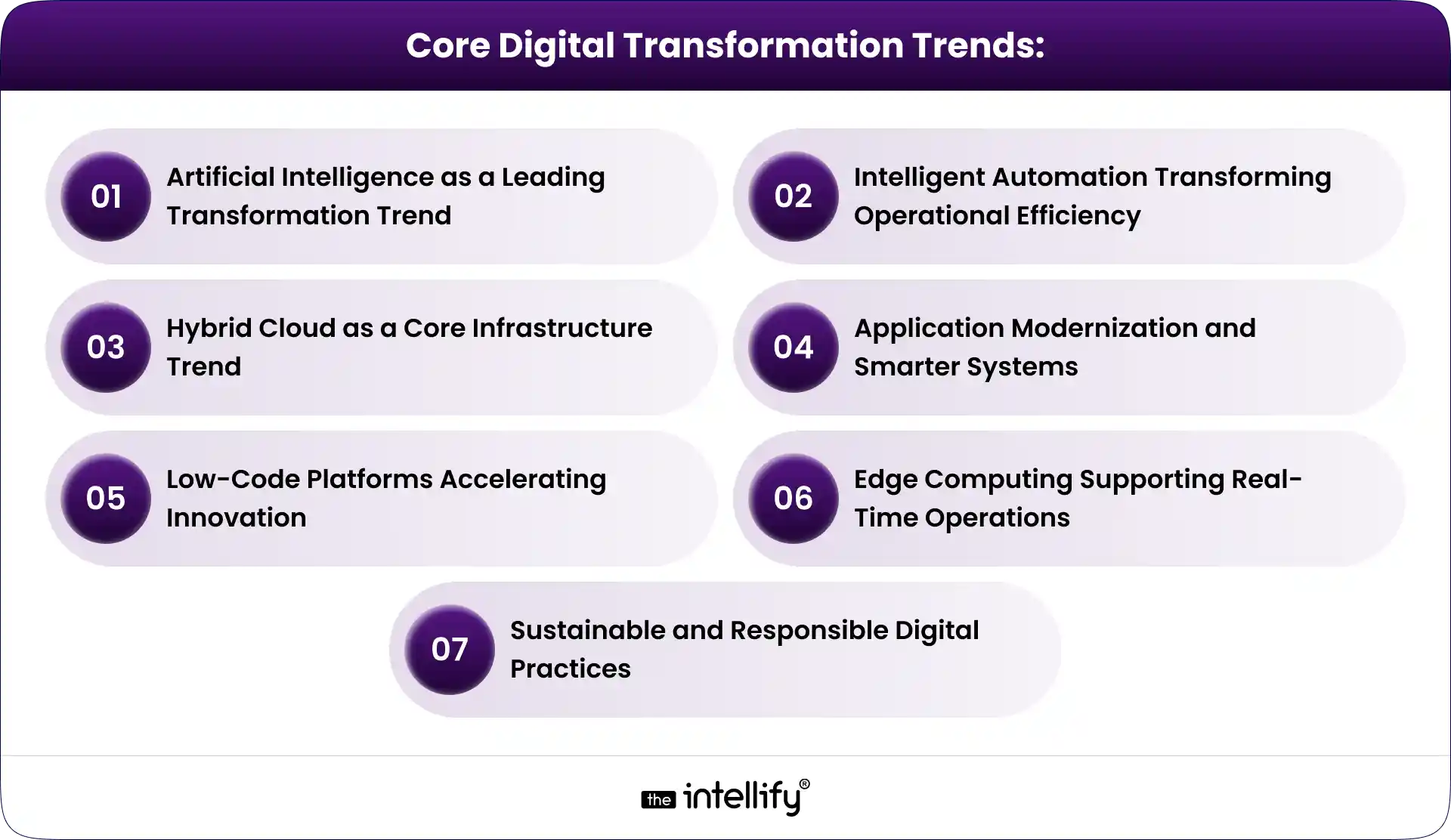
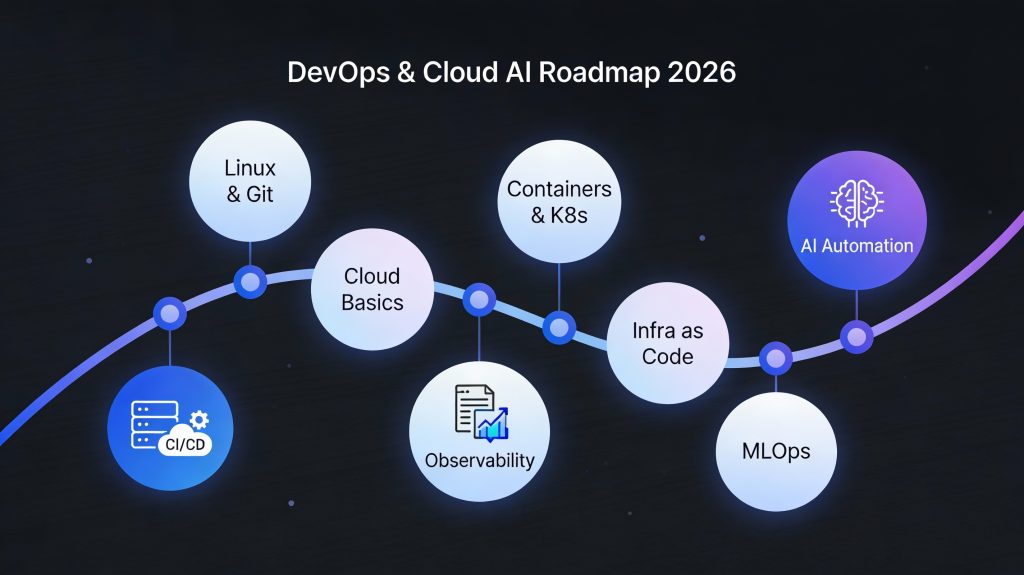
Driving Modernization With Cloud-Native Digital Models
Table of Contents
Transferring to the cloud isn't enoughreal worth comes from rearchitecting apps and welcoming cloud-native technologies to enhance efficiency, agility, and development. With elastic scalability, much faster implementations, and on-demand provisioning, cloud empowers businesses to react rapidly to market shifts and client needs. Cloud transformation gets rid of upfront facilities investments, reduces upkeep expenses, and makes it possible for pay-as-you-go flexibilitymaximizing ROI.
AI-driven cloud services help automate workflows, obtain real-time insights, and drive personalizationunlocking brand-new growth and operational performances. Organizations are increasingly leveraging both multi-cloud and hybrid cloud techniques to make sure versatility, lower vendor lock-in, and improve durability. From IT abilities development to stakeholder alignment, successful cloud initiatives depend upon internal education, modification management, and management buy-in.
Overcoming the Cloud Sprawl Difficulty in AI Deployments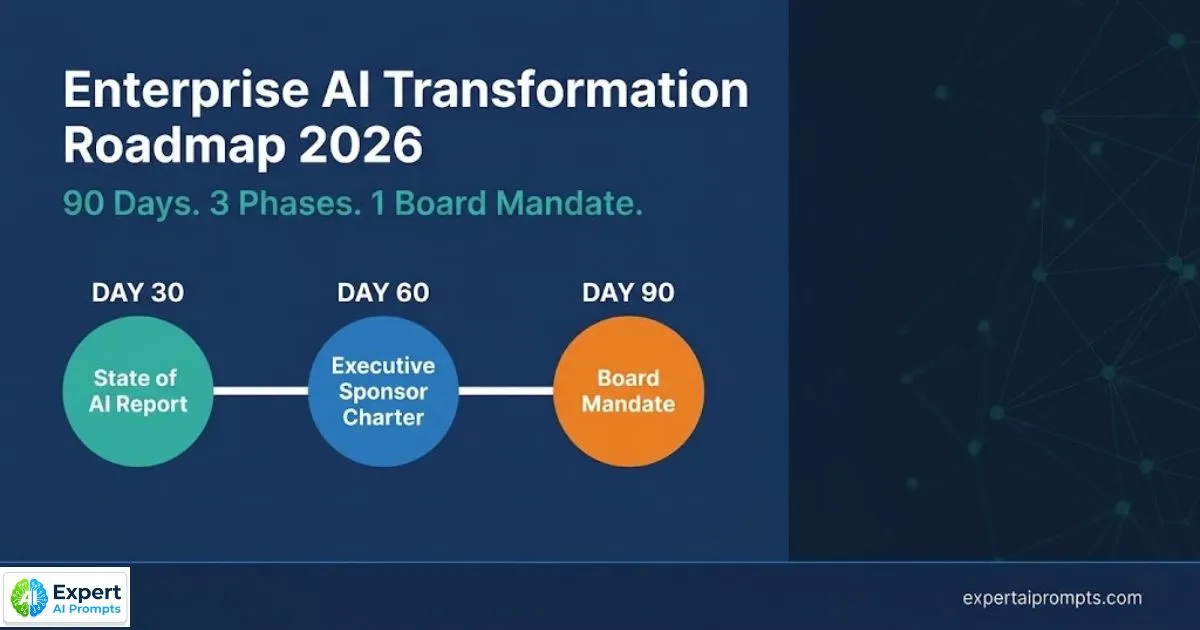
Leaders across markets have scaled internationally, innovated quicker, and improved client experience through tactical cloud improvement. With automated information discovery, classification, gain access to control, and remediation throughout hybrid and multi-cloud environmentsBigID allows safe, scalable cloud adoption. In today's quickly developing digital landscape, businesses are constantly challenged to adjust, innovate, and remain ahead of the curve.
Overcoming the Cloud Sprawl Difficulty in AI DeploymentsDriving the Synergy of AI and Cloud Architecture
In this extensive blog site, we embark on a journey to check out the transformative power of cloud improvement, diving into its definition, techniques, benefits, and much more. Join us as we break down the intricacies of cloud computing and discover how it can drive your company towards success.
It includes leveraging cloud computing innovations to enhance agility, scalability, and performance, eventually allowing organizations to adjust to altering organization demands and drive innovation. Cloud change is necessary due to the fact that it enables companies to enhance their IT infrastructure and operations, resulting in improved dexterity, scalability, and expense efficiency. By moving their IT systems and applications to the cloud, companies can free themselves from the restrictions of traditional on-premises software and hardware, and make the most of the advantages offered by cloud computing.
This allows them to rapidly react to modifications in market conditions or consumer needs, and to benefit from new opportunities more quickly. Cloud improvement can assist companies to simplify their IT operations and minimize costs. By outsourcing the management of their IT facilities and applications to cloud suppliers, companies can take advantage of economies of scale and decrease the concern of managing their own IT resources.
Driving Modernization With Cloud-Native Digital Models
Cloud transformation empowers organizations to rapidly scale resources up or down based on demand, enabling them to react rapidly to market changes and consumer needs. This dexterity enables organizations to seize new chances, launch items faster, and stay ahead of the competition. By moving IT infrastructure and work to the cloud, organizations can optimize costs by eliminating the need for costly hardware investments, decreasing maintenance expenses, and paying just for the resources they consume.
Cloud computing facilitates smooth partnership and innovation by providing a central platform for teams to gain access to, share, and team up on tasks in real-time. With cloud-based tools and applications, organizations can foster creativity, drive productivity, and accelerate time-to-market for new ideas and initiatives. Contrary to common mistaken beliefs, cloud computing uses robust security features and compliance frameworks that help organizations safeguard delicate information, mitigate dangers, and guarantee regulatory compliance.
Download the Quickstart Guide to Accelerate Cloud Migrations. While cloud migration and cloud improvement are often utilized interchangeably, they refer to unique procedures with various objectives. Cloud migration involves moving existing applications and workloads from on-premises facilities to the cloud without fundamentally changing their architecture or functionality. On the other hand, cloud change goes beyond migration by rearchitecting applications, embracing cloud-native innovations, and embracing brand-new ways of working to fully leverage the advantages of the cloud.
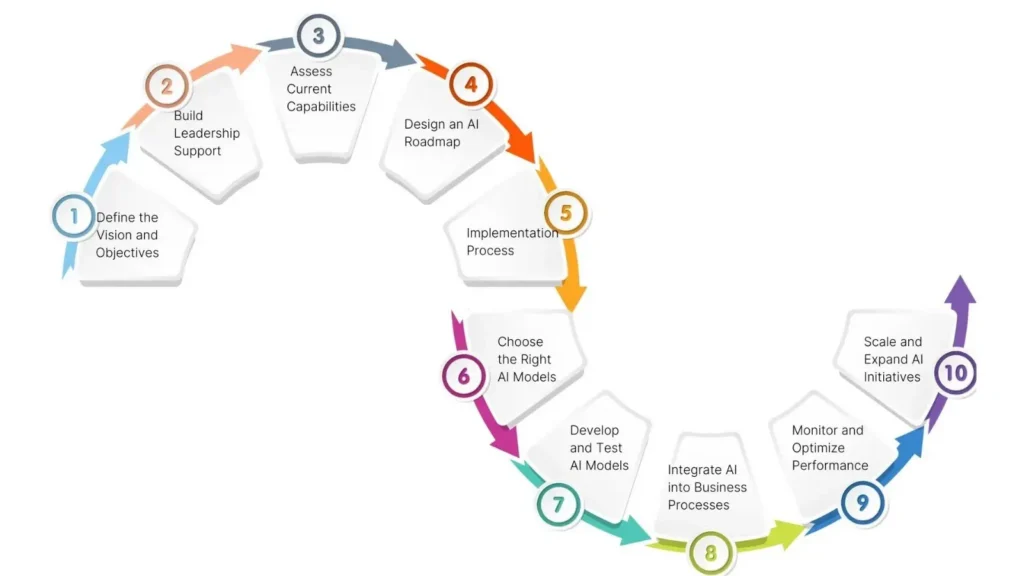
Mastering the Convergence of AI and Cloud Architecture
Multi-cloud refers to the usage of several cloud providers to host different work and applications, using versatility, redundancy, and vendor variety. Hybrid cloud, on the other hand, combines on-premises facilities with public and private cloud resources to develop an unified, integrated environment. Both designs play an important role in cloud improvement by supplying companies with the dexterity, scalability, and strength needed to fulfill developing organization requirements.
Organizations can conquer this difficulty by performing an extensive assessment of their tradition systems, identifying reliances, and focusing on applications for migration or modernization. They can utilize tools and frameworks for automated migration, refactor legacy applications for cloud compatibility, or embrace hybrid cloud architectures to gradually shift crucial workloads. Data security and compliance are significant issues when moving sensitive info to the cloud, especially in highly managed industries.
, through regular audits, threat evaluations, and compliance tracking. Cloud migration and improvement can lead to unpredictable expenses, resource waste, and budget plan overruns if not managed successfully. Organizations can mitigate cost management obstacles by carrying out cloud expense management tools, such as cloud cost calculators, monitoring control panels, and budgeting tools.

Table of Contents
Latest Posts
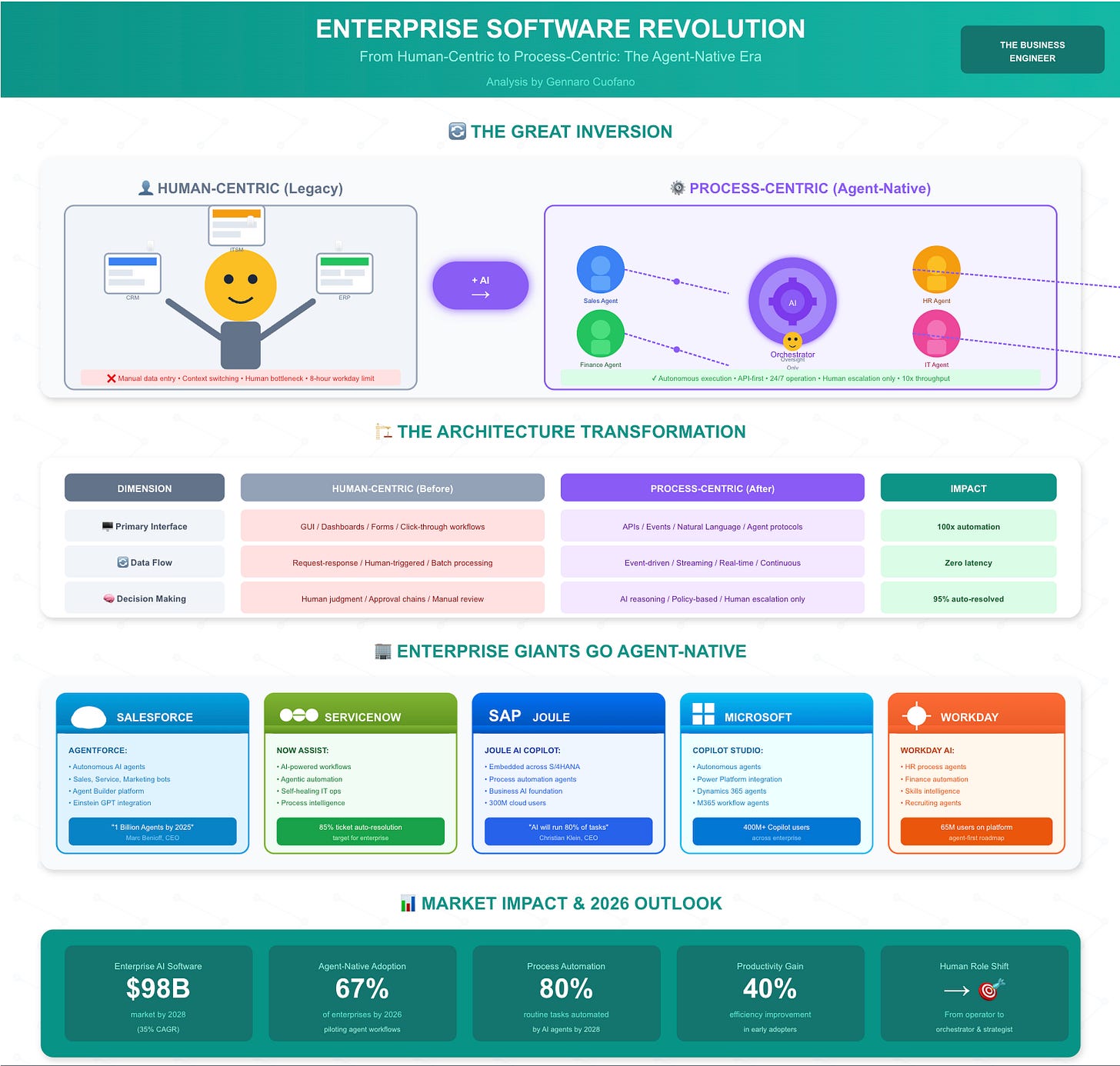
Traditional Infrastructure Versus Modern AI-Cloud Paradigms

The Comprehensive Artificial Intelligence Adoption Blueprint for Success
A Comprehensive Artificial Intelligence Adoption Blueprint for Success
Latest Posts
Traditional Infrastructure Versus Modern AI-Cloud Paradigms
The Comprehensive Artificial Intelligence Adoption Blueprint for Success
A Comprehensive Artificial Intelligence Adoption Blueprint for Success