All Categories
Featured
Traditional Infrastructure Versus Modern AI-Cloud Paradigms
The Comprehensive Artificial Intelligence Adoption Bluepr...
A Comprehensive Artificial Intelligence Adoption Blueprin...
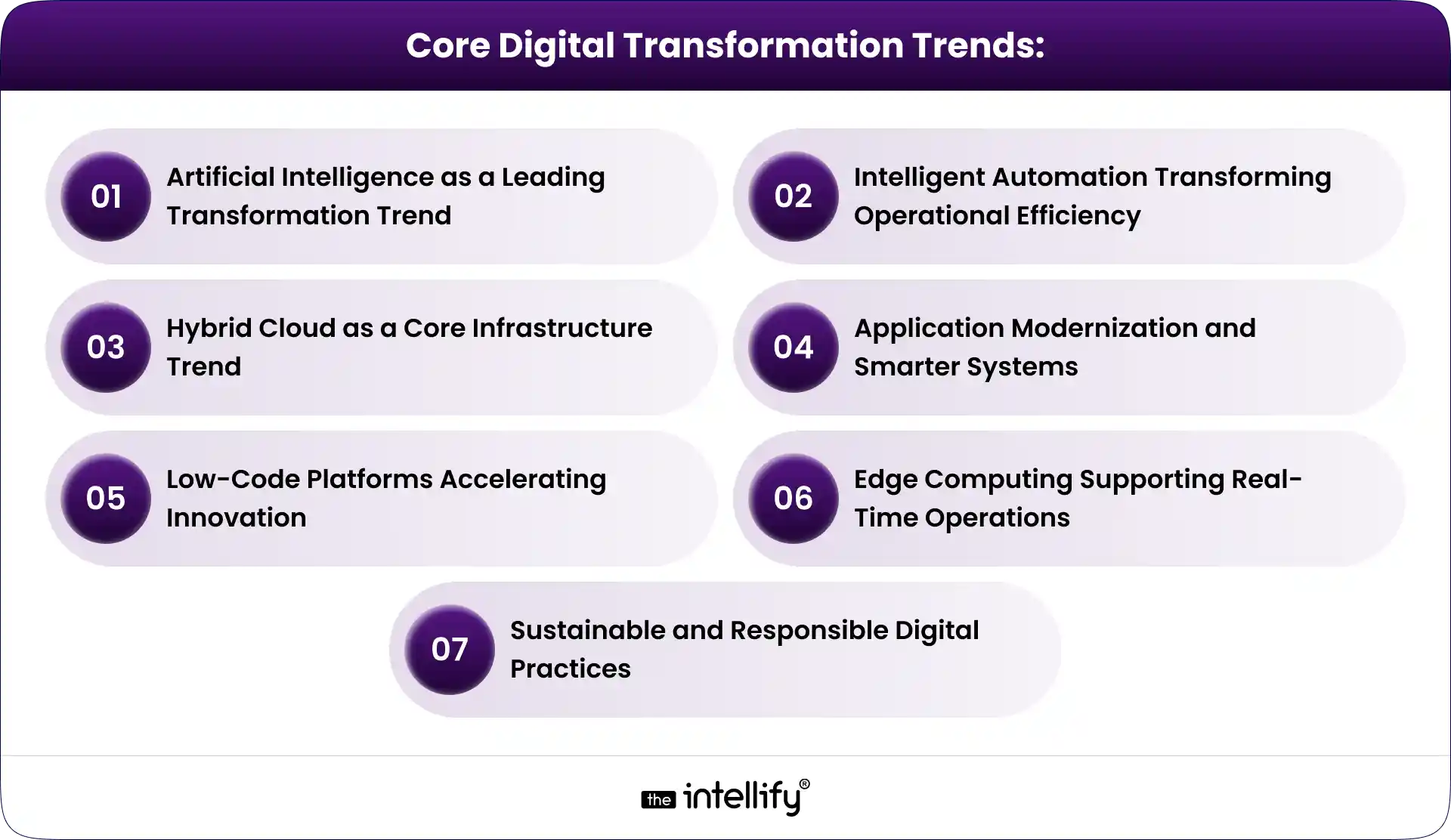

The Future of Modern Technology: Major Trends
Table of Contents
, VP of Amazon Connect, says to welcome systems that utilize AI and human strengths. CIOs need to acknowledge a paradigm shift in UX, as data entry kinds, customer journeys, and prescriptive reports get changed with agentic AI capabilities.
"AI representatives will become the frontend of the company as the main starting point for any and all external contact," states Antoine Nasr, head of AI at Forethought. "End-users will no longer have to attempt and navigate to the right department and tool to get the aid or details they require they will just connect with the business's public AI agent in natural language.
Abilities gaps in vital locations like AI, artificial intelligence and cybersecurity now impact nearly 9 in 10 companies, impacting not just IT however every function throughout the enterprise. Digital tools like AI, low-code/no-code platforms and innovative analytics have ended up being embedded in day-to-day workflows, and all workers need to be geared up with the best skills to drive productivity and development.
Analyzing AI Impact On Next-Gen Business Models
Attending to these prevalent abilities gaps needs ingenious, organization-wide skill strategiesenabling business to obtain and cultivate the know-how needed to modernize their workforce and completely realize the advantages of digital improvement. The strategic deployment of digital innovations to simplify and scale service processes stays central to successful transformation efforts. Organizations are progressively concentrated on making details more accessiblenearly half are prioritizing digital tools that break down information silos and enable smooth access throughout the business.
Together with these efforts, 46% of organizations are actively upgrading standard procedure to incorporate brand-new digital technologies, guaranteeing that procedures evolve in step with innovation. Just about a quarter are focusing on change management methods as part of their transformation agenda. This limited emphasis on modification management raises concerns as it might leave companies vulnerable to staff member resistance, misalignment and engagement difficulties that can weaken digital efforts.
Comprehensive plans, including senior leadership buy-in, clear interaction, targeted training and stakeholder engagement, are essential for lining up groups with improvement objectives and promoting a culture of flexibility and continuous improvement. In 2026, technology adoption continues to be a strategic chauffeur of digital improvement, with companies leveraging digital platforms to boost agility, scalability and innovation.
Navigating Compliance Difficulties in Australian AI DeploymentsNavigating Your AI-Cloud Integration in 2026
These technologies are not only commonly carried out but likewise actively upgraded and fine-tuned by 17% to 18% of organizations, highlighting their main function in supporting seamless operations, hybrid work designs and fast advancement cycles. Software application as a service (SaaS) and mobile web technologies reveal strong adoption, incorporated by 42% and 39% of organizations, respectively, throughout several service units.
With 17% of organizations currently running pilots and 37% reporting adoption at scale, generative AI (Gen AI) sticks out as the most actively piloted innovation in 2026. This signifies a shift from experimentation to operationalization as organizations look for to harness Gen AI for content creation, customer engagement and automation of complicated jobs.
Other innovations, such as big data analytics (33% enterprise-wide adoption), automation technologies (31%) and basic AI (32%) are getting traction, supporting innovative analytics, process automation and data-driven decision-making. While interest in emerging technologies is growing, adoption remains measuredparticularly for augmented/virtual truth and blockchain, where 34% to 41% of organizations report no plans for implementation.
Not every company finds immediate value in embracing them due to the fact that their importance and impact can differ significantly depending upon sector requirements and organization models. For numerous, the decision to invest is driven by targeted opportunities rather than broad applicability, resulting in a more selective technique to development. As digital improvement accelerates, organizations focus on innovations that provide short-term efficiency gains and long-term scalability.
The Future of Modern Technology: Key Trends
Click on this link for an interactive look at this data, where you can drill down by the market and geographic location.
: it's about reconsidering how value is provided. It involves automation, data, AI, and cloud to reshape organization operations. Whether enhancing client experience or improving infrastructure, the best roadmap varies by organization and industry. From logistics automation to virtual healthcare, improvement can drive both innovation and performance. International digital change spending is anticipated to reach $4 trillion by 2027.
In this short article, we'll explore how businesses are accepting digital change, where initiatives are focused, and why it remains a leading concern for organizations looking for to stay competitive in a progressively fast-paced, tech-driven world. Digital change involves using the most recent digital innovations to fundamentally improve how a service operates. While digital transformation ended up being a mainstream business imperative in the 2010s, the roots go further back, starting with digitization in the 1980s and '90s.

Table of Contents
Latest Posts
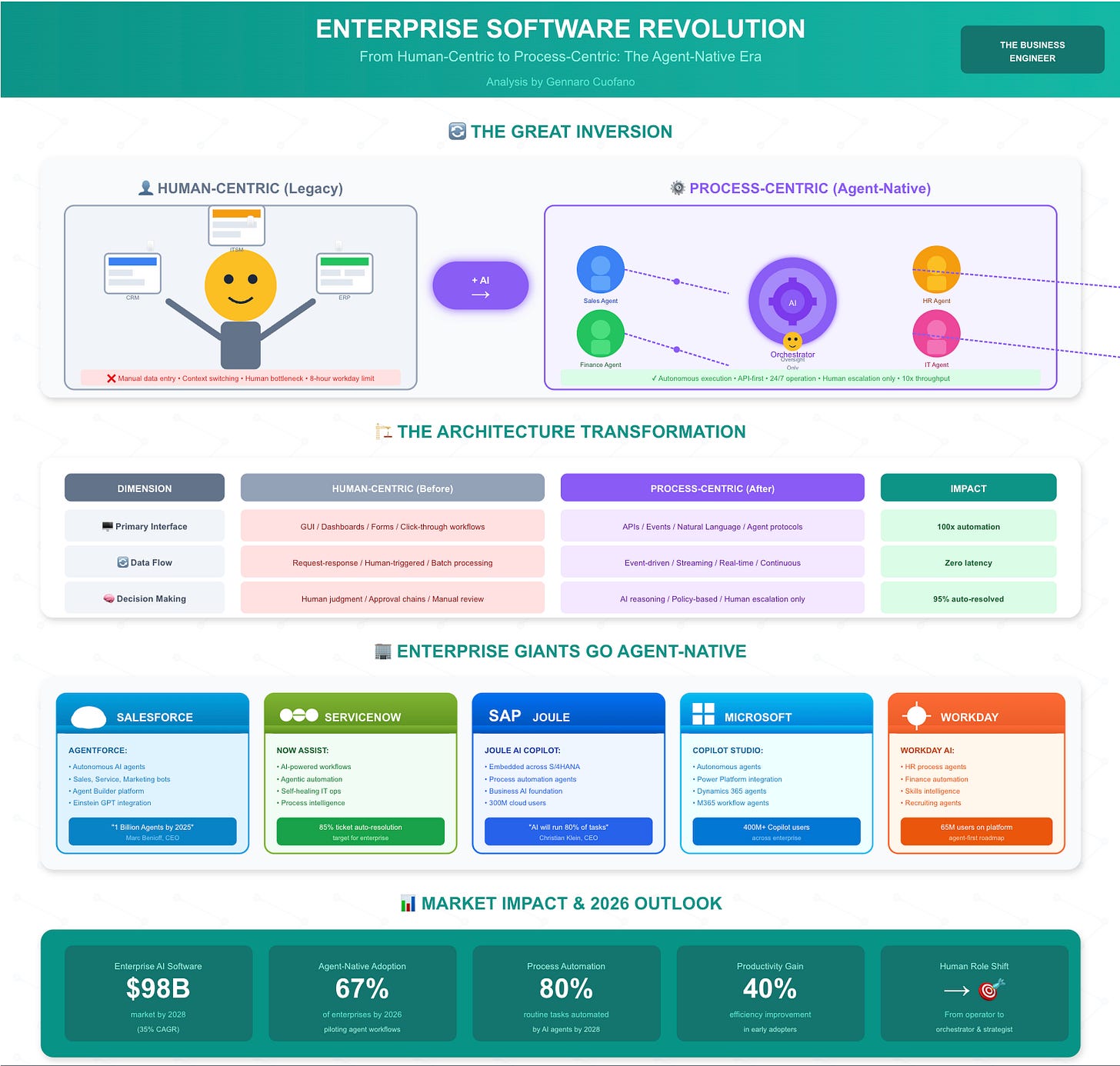
Traditional Infrastructure Versus Modern AI-Cloud Paradigms

The Comprehensive Artificial Intelligence Adoption Blueprint for Success
A Comprehensive Artificial Intelligence Adoption Blueprint for Success
Latest Posts
Traditional Infrastructure Versus Modern AI-Cloud Paradigms
The Comprehensive Artificial Intelligence Adoption Blueprint for Success
A Comprehensive Artificial Intelligence Adoption Blueprint for Success