All Categories
Featured
Traditional Infrastructure Versus Modern AI-Cloud Paradigms
The Comprehensive Artificial Intelligence Adoption Bluepr...
A Comprehensive Artificial Intelligence Adoption Blueprin...
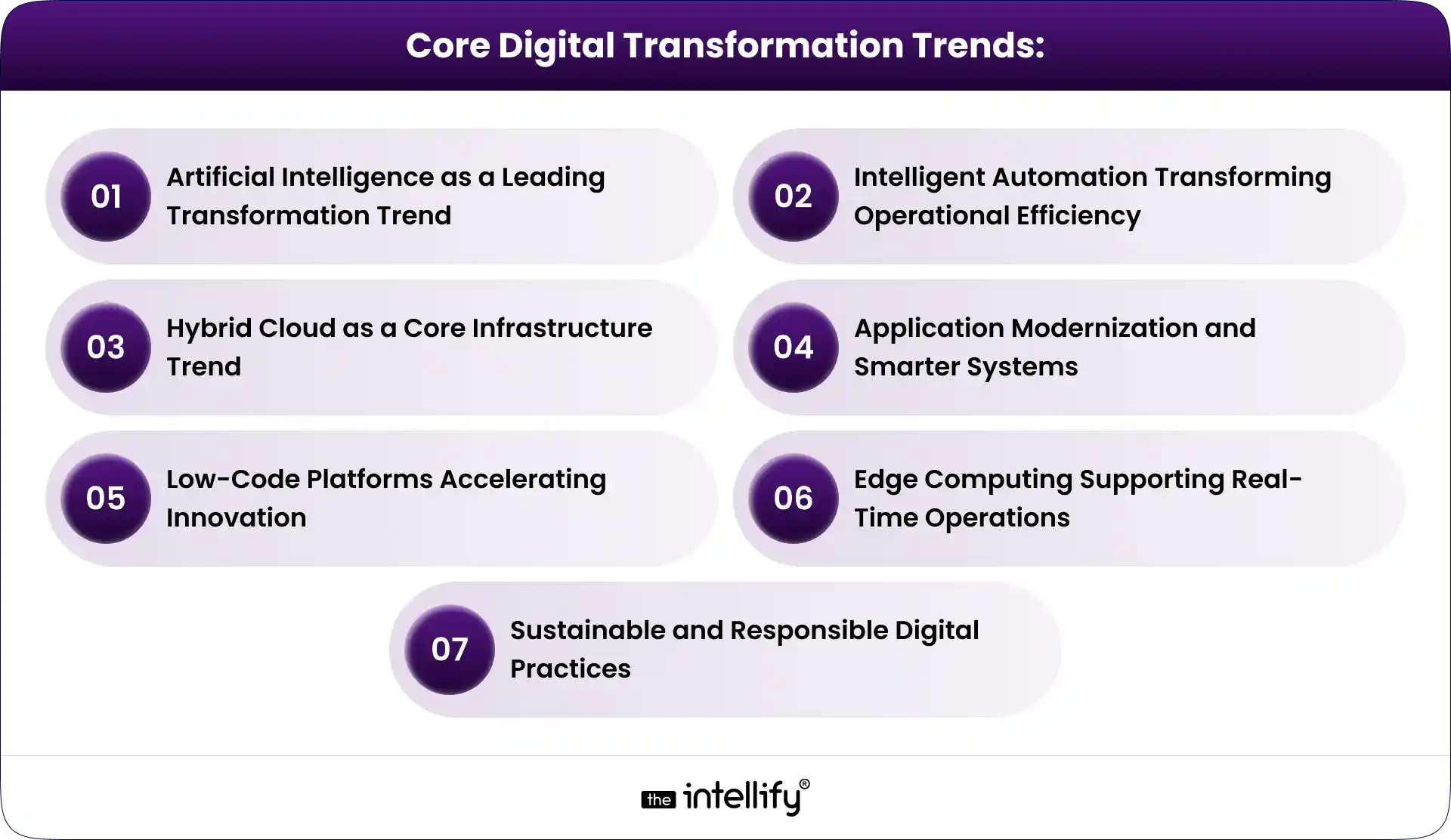
Why AI and Cloud Tech Merge in 2026
Table of Contents
For smaller organizations, "Robotics-as-a-Service" (RaaS) designs have actually made this technology accessible without massive upfront capital. By incorporating ai powered analytics, these machines do not just move boxesthey predict maintenance needs and optimize paths in real-time. This isn't just about changing labor; it's about accomplishing an operational effect that was physically impossible for humans alone.
International cloud spending has actually struck a massive $1.3 trillion, however the trend isn't just "all-in" on public cloud. For large companies, facilities speed is a direct ranking factor.
HCI incorporates calculate, storage, and networking into a single software-defined platform. This allows businesses to have the agility of the cloud with the security and "immediacy" of on-premises hardware. Is fixing the latency problem. By processing data at the sourceon the factory floor or inside a clever vehiclebusinesses can act upon innovation patterns for business without awaiting data to travel to a distant data center and back.
Optimizing Enterprise Efficiency Through Cloud Modernization
Looking towards completion of the decade, the landscape becomes even more decentralized and sustainable. We are moving far from the "move quickly and break things" period into an age of "move quick and sustain things." This shift is particularly apparent in how large companies manage their digital presence. SEO is no longer a siloed marketing function; it is a core element of the business technology stack, requiring deep integration with information science and infrastructure teams.
Unlike smaller sized websites, business sites typically deal with countless URLs, complex internationalization, and tradition subdomains. To perform well, these companies should focus on 3 critical pillars: Programmatic SEO, Technical Crawl Effectiveness, and E-E-A-T (Experience, Know-how, Authoritativeness, and Dependability) at scale. includes utilizing data-driven templates to produce high-quality, helpful pages for countless long-tail search inquiries.
The key is making sure that these pages provide real value and are not merely "entrance pages," which search engines now punish heavily. By leveraging the SLMs pointed out earlier, big companies can produce distinct, contextually pertinent material for these pages that satisfies both user intent and search algorithms. is the second pillar.
Future-ready business utilize innovative server-side rendering and edge SEO to provide pre-rendered pages to bots, making sure that every second of crawl time is invested in revenue-generating material. Implementing a robust internal connecting structure using AI-driven recommendations can help disperse "link equity" more effectively throughout an enormous domain. needs a centralized method to brand authority.
This sustainability also affects SEO; online search engine have actually begun to element in the carbon footprint of digital services, favoring companies that show environmental duty in their IT operations. Concurrently, is stepping out of the theoretical world. While we aren't all utilizing quantum laptop computers yet, hybrid classical-quantum systems are currently being utilized for complex logistics optimization and drug discovery.
Securing Your Business With AI-Cloud Tools
For large business, quantum-enhanced information analysis will permit a level of SEO accuracy formerly believed impossible, such as forecasting search pattern shifts weeks before they take place based on international economic indicators. In the realm of trust, and Web3 are maturing. We have actually moved past the buzz of digital antiques into "trustless" systems for supply chain openness and fractional property ownership.
These decentralized systems supply a brand-new layer of verifiable information that can be used to strengthen a company's E-E-A-T, as blockchain-verified credentials become a requirement for digital authority. Scaling these technologies isn't without its "growing discomforts." Infrastructure expenses are the top issue for CIOs in 2026. The "token economics" of running enormous AI designs can lead to month-to-month costs in the tens of millions if not managed correctly.
For SEO, this implies calculating the ROI of technical enhancements not simply in regards to traffic, but in regards to infrastructure effectiveness and client acquisition expense. Cybersecurity has actually likewise entered a "machine-vs-machine" phase. With 81% of little businesses experiencing a breach in the last yearand AI-powered attacks included in over 40% of casesdefensive AI is now compulsory.
This sustainability also affects SEO; online search engine have actually begun to aspect in the carbon footprint of digital services, favoring business that show environmental obligation in their IT operations. At the same time, is stepping out of the theoretical realm. While we aren't all using quantum laptop computers yet, hybrid classical-quantum systems are currently being utilized for complex logistics optimization and drug discovery.
Why AI and Cloud Systems Converge in 2026
For big business, quantum-enhanced information analysis will enable a level of SEO precision formerly believed difficult, such as forecasting search pattern shifts weeks before they take place based on international financial indications. In the realm of trust, and Web3 are developing. We have actually moved past the hype of digital antiques into "trustless" systems for supply chain openness and fractional genuine estate ownership.
These decentralized systems supply a brand-new layer of verifiable data that can be used to strengthen a business's E-E-A-T, as blockchain-verified credentials end up being a standard for digital authority. The "token economics" of running massive AI models can lead to regular monthly bills in the 10s of millions if not managed properly.
For SEO, this means calculating the ROI of technical enhancements not just in terms of traffic, but in terms of infrastructure performance and customer acquisition expense. Cybersecurity has likewise entered a "machine-vs-machine" phase. With 81% of small companies experiencing a breach in the last yearand AI-powered attacks associated with over 40% of casesdefensive AI is now mandatory.

Table of Contents
Latest Posts
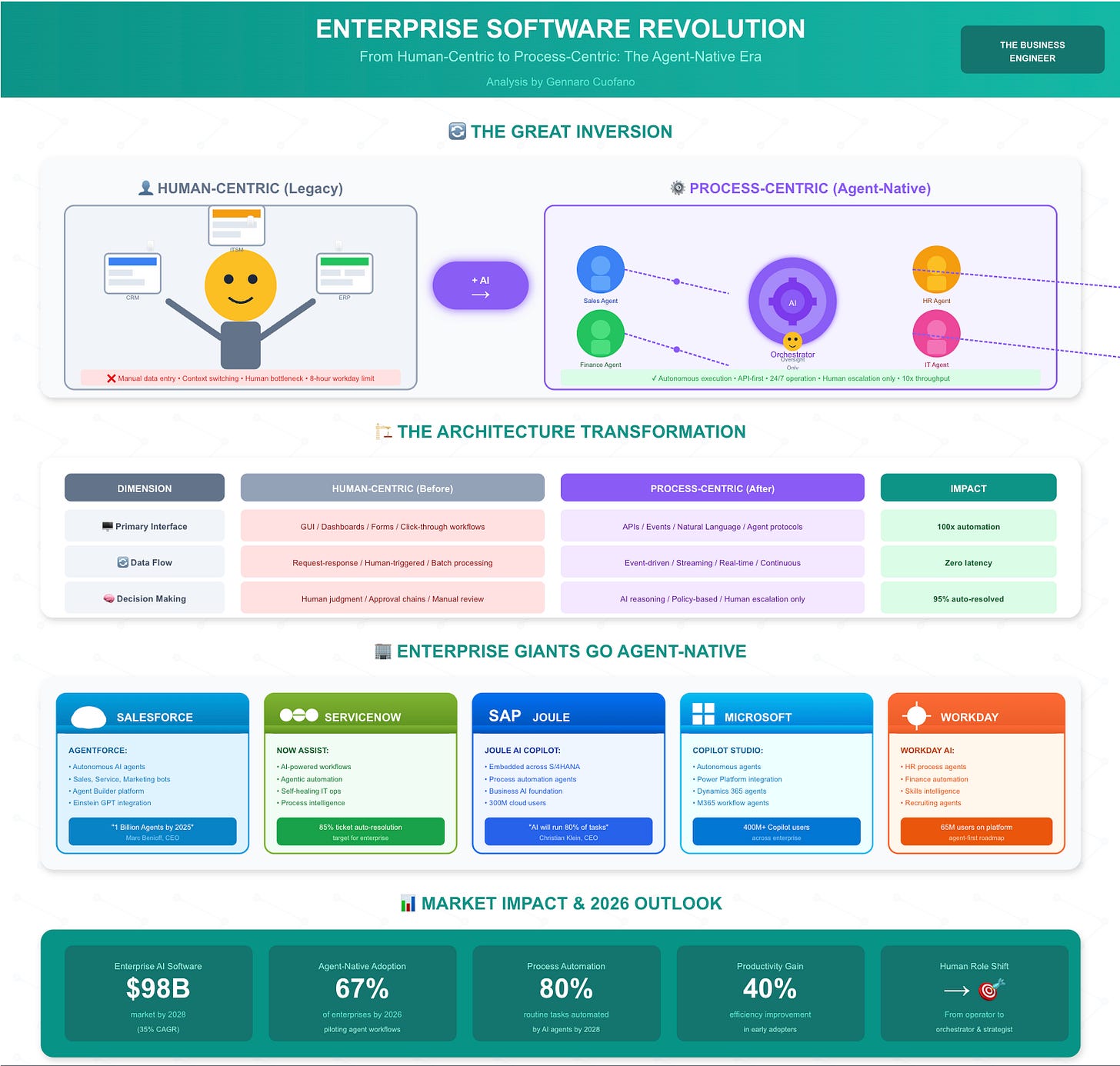
Traditional Infrastructure Versus Modern AI-Cloud Paradigms

The Comprehensive Artificial Intelligence Adoption Blueprint for Success
A Comprehensive Artificial Intelligence Adoption Blueprint for Success
Latest Posts
Traditional Infrastructure Versus Modern AI-Cloud Paradigms
The Comprehensive Artificial Intelligence Adoption Blueprint for Success
A Comprehensive Artificial Intelligence Adoption Blueprint for Success